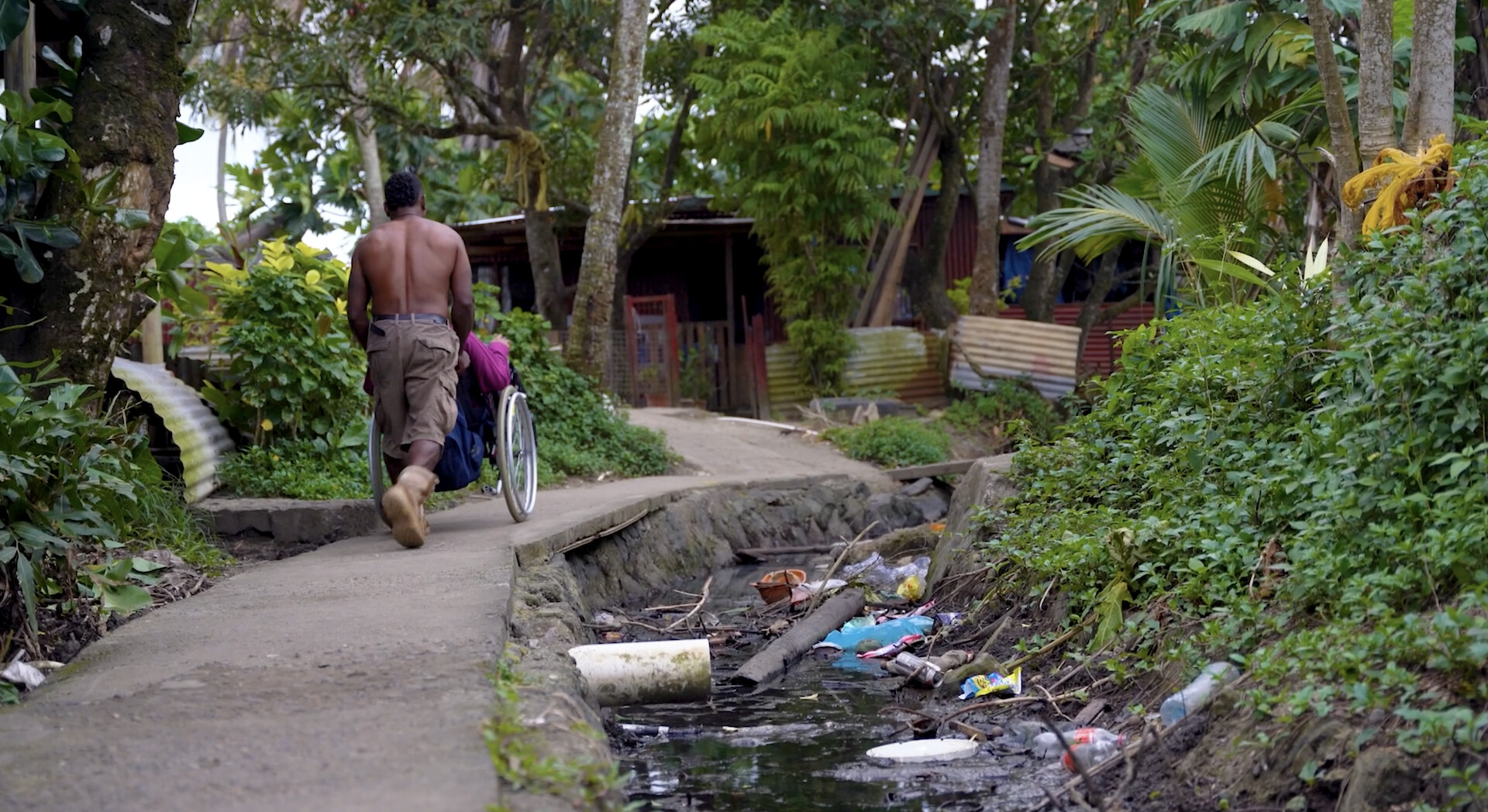
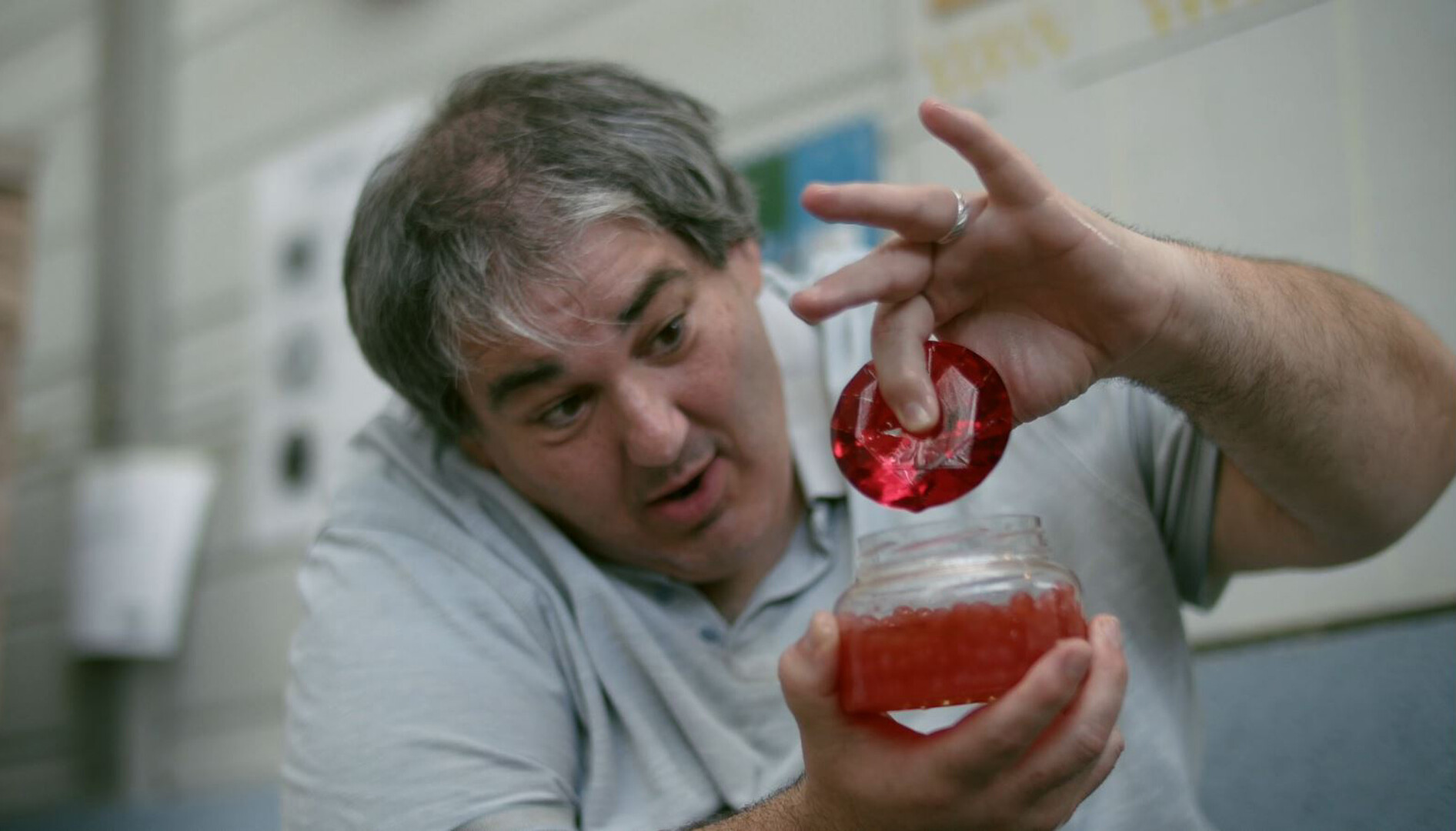
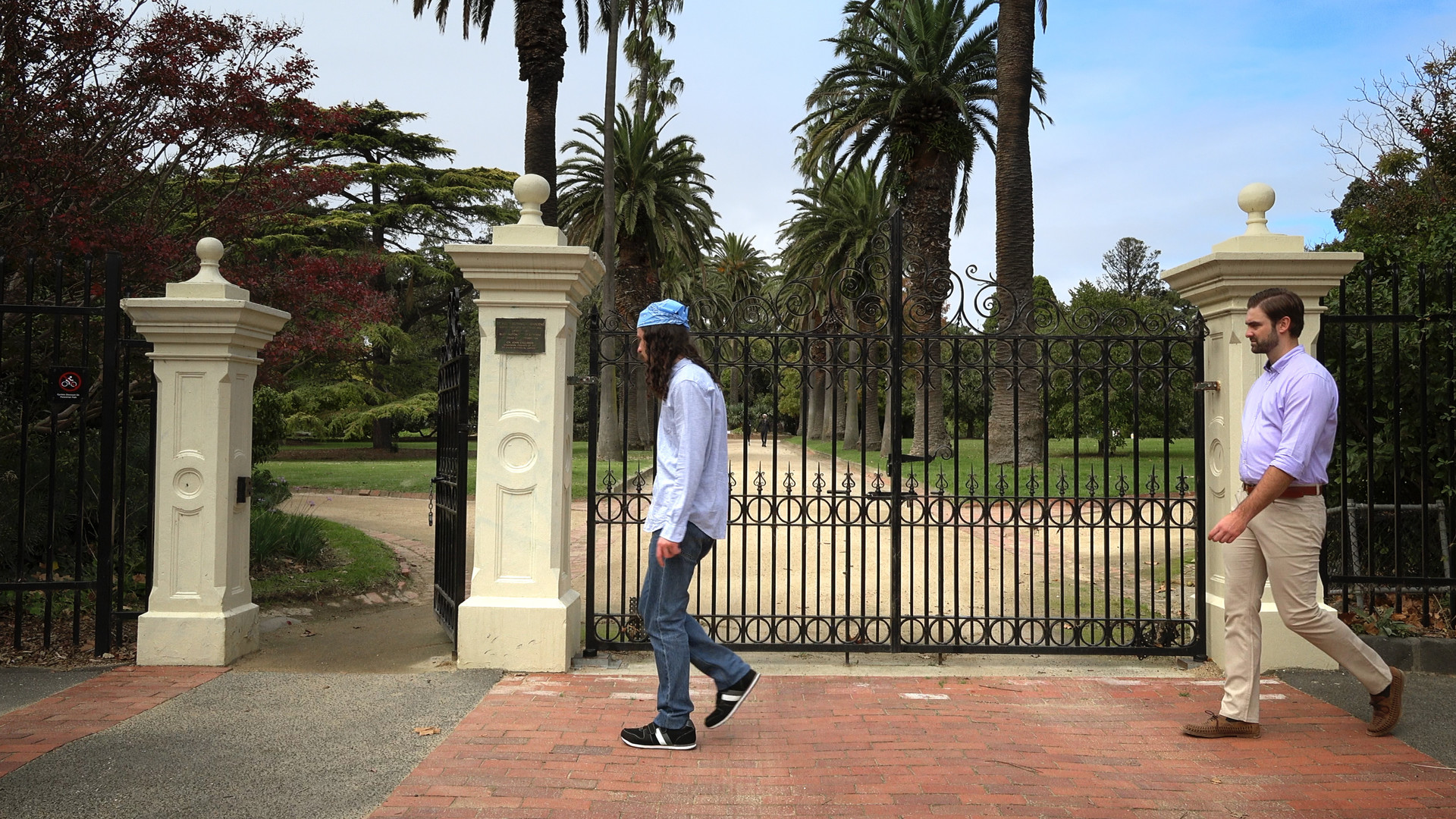
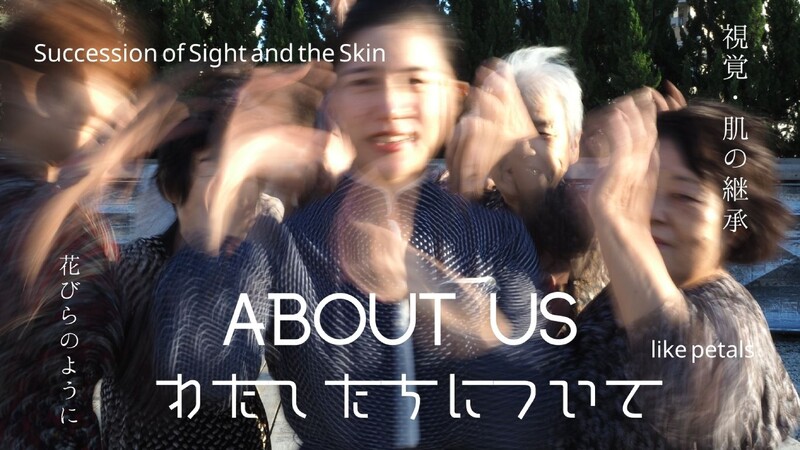
How do disabled and mad people survive, dance, insert their differences in a world full of stigma? How do we live through bodymindspirit experiences of alienation and pain? This experimental documentary charts disability culture archives and embodied gestures of survival and creative expression. It draws on community with human and non-human others: media clips as performance gifts, archival footage from dance archives, environmental embedment and grounding in trees, water, desert and lakes.
Together, we dance, and spring our binds.
Please note:
This experimental documentary shares instances of medical incarceration including insulin violence. It offers survivor testimonies of artful and agency-full reclamation.
The film is fully subtitled in English.
A full audio-description track is available on SoundCloud, at https://on.soundcloud.com/bv9pE
The documentary uses ‘crip’ and ‘mad’ as in-group signifiers, aware of stigma and histories.
PODCAST
EXTRAS
A 4 minute clip from the 35 minute long experimental documentary about embodied disabled and mad gestures in and out of the archive, in eco soma engagement with site, elements, and time: https://vimeo.com/838360940
CREDITS:
Direction, edit, and additional writing: Petra Kuppers
Community Media gratefully received from my collaborators
(in order of appearance):
moira williams
community dancers in the Astor Gallery, Lincoln Center,
New York City
Chanika Svetvilas
Kym McDaniel
Elisabeth Motley
Marina ‘Heron’ Tsaplina
Robin Wilson, recorded at the Duderstadt Video Center, University of Michigan
Ysolde Stienon and Marina ‘Heron’ Tsaplina
Desiree Mwalimu-Banks and Mikel Mwalimu-Banks
Alexis Riley
Naomi Ortiz
Stephanie Heit
AXIS Dance Company, with dancers Zara Anwar, Alaja Badalich,
David Calhoun, Anna Gichan, JanpiStar
Rebecca Caines and John CampbellExcerpt from Dance On: Fred Benjamin, interviewer Billie Mahoney, produced by KCEN Channel 18 Kansas City Educational Network, 1980. Courtesy of the New York Public Library Jerome Robbins Dance Division
Photo of Vaslav Nijinsky in the Swiss Sanatorium’s garden, Courtesy of the New York Public Library Jerome Robbins Dance Division
With thanks to the Jerome Robbins Dance Division Research Fellowship and the Guggenheim Fellowship; the ongoing support of the University of Michigan Initiative on Disability Studies;
the many dance and history sites that have supported these investigations, playful engagements, and community gatherings.Thanks to the guardians past, present and future of the lands we danced on:
the Anishinaabeg – The Three Fire Confederacy of the Ojibwe, Odawa, and Potawatomi Nations, as well as the Wyandot Nation, when we danced in the area colonially known as Ann Arbor, Michigan; The Lenape Nation, when we danced in what is colonially known as New York City.We hope you will take up our movement invitations and that we can enrich our living disability and mad archives together.
An Olimpias Production @2024